Type IL cement is now the norm. What it changes for a DIY slab
For a small DIY pour, Type IL cement changes less than you’d fear: you need the same amount of concrete, and GCC’s comparison sheet says the strength ends up the same. What changes is the finishing: the surface tends to show less water and can set a bit faster. If you’ve poured with older mixes, finishing on autopilot is where you’ll notice it.
You probably can’t avoid it anymore. The US Geological Survey’s 2026 cement summary says blended cement made up 63% of US cement shipments in the first nine months of 2025, and estimates that 95% of that blended cement was Type IL. By our math, that’s about 60% of all cement shipped.
What Type IL is
Type IL is portland-limestone cement. It’s regular portland cement with some of the clinker (the baked, energy-hungry part) replaced by ground limestone. Under the standard that covers it, ASTM C595, that’s 5 to 15% limestone. GCC, one of the cement makers, puts the carbon savings in its Type IL comparison sheet at nearly 10% compared with ordinary portland cement.
The old stuff was usually sold as Type I/II, under a different standard (ASTM C150). That’s why you’ll now see bags and listings with both names on them. Quikrete’s portland cement page says its No. 1124 cement meets “ASTM C150 or ASTM C595”, and the product name on its own won’t tell you which one you’ve got.
We couldn’t find a statement from the big bagged-concrete brands on which of their premixed concrete bags now use Type IL. If it matters to you, the cement standard is usually printed on the bag or the product data sheet.
Does it change how many bags you need?
No. The amount of concrete a job takes is length times width times thickness, and that doesn’t care about the cement inside. A bag’s yield is listed on its data sheet, and that’s what our concrete calculator uses. A 10 by 10 foot patio 4 inches thick still needs 62 bags of 80 lb mix with 10% extra.
Strength doesn’t change either, according to GCC’s comparison sheet. Type IL comes out slightly stronger at 1 and 3 days and about the same at 7 and 28 days. Freeze-thaw resistance, sulfate resistance and permeability are listed as comparable.
What does change: the surface
A field guide in Concrete International (August 2025, by Chad White and three co-authors) sums it up: Type IL mixes can be slower to bleed, they bleed for longer, and they usually bleed less water in total. Their set time and bleeding are also more sensitive to temperature and weather than older mixes. GCC’s sheet says set time “can decrease slightly” and calls the mix creamier and easier to finish. Less bleed water and a faster set can show up on the same slab.
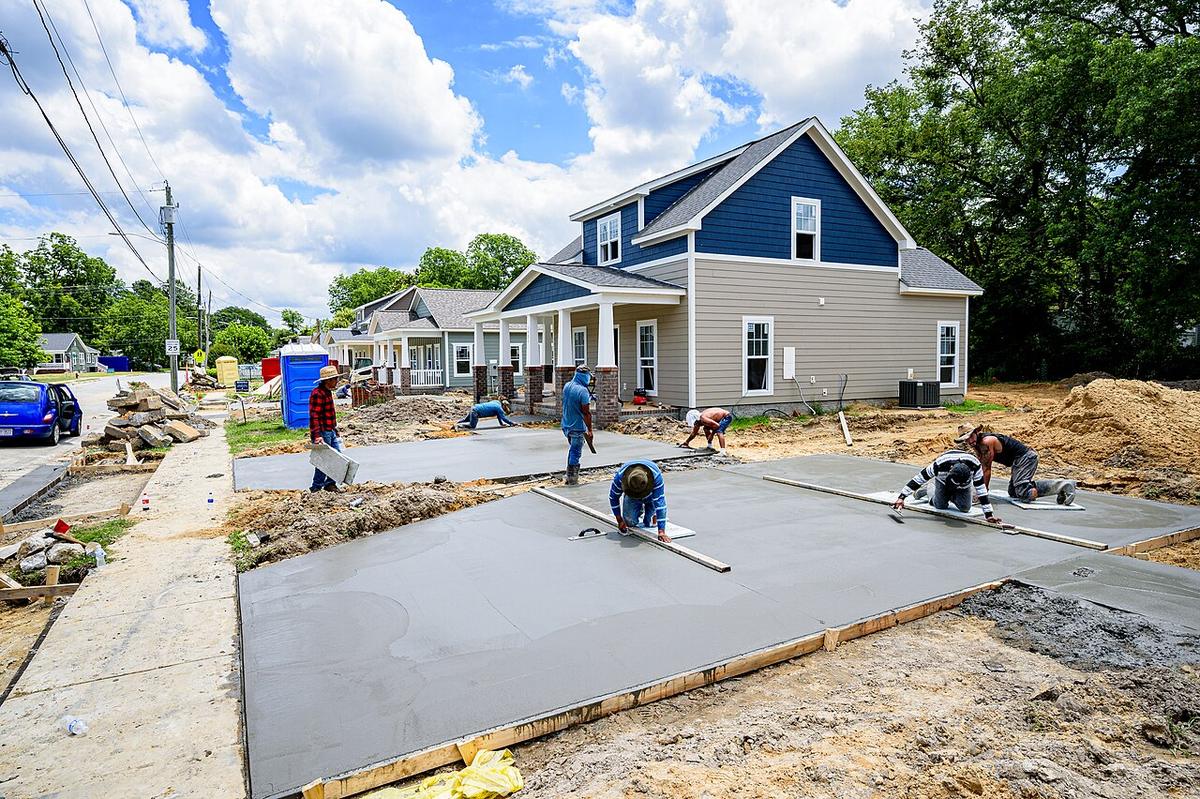
Bleed water is the thin layer of water that rises to the top after you screed. The old rule is to wait until it’s gone before you float or trowel. With Type IL there may be less of it, and it may show up later, so on a DIY slab:
- You can’t rely on the sheen alone to tell you when to start. Check how firm the surface is, not just whether it’s still wet, and expect the timing to differ from what you’re used to.
- On a hot, dry or windy day, the top can dry out and crust while the concrete underneath is still soft. That’s when fine surface cracks show up, known as plastic shrinkage cracks.
What to do differently
Don’t add extra water to make the mix easier to work. GCC already calls Type IL creamier and easier to finish, so there’s no reason to thin it. Use the water the bag calls for.
Don’t sprinkle water on the surface and trowel it in to buy more time. The Concrete International guide says misting water and evaporation retarders (a spray-on film that slows drying) shouldn’t be worked into the slab. Mist the air above it, or cover it.
Pour in the cooler part of the day if you can, and have plastic sheeting ready before the first bag goes in. Covering the slab as soon as it’s finished holds the moisture in, and we think it’s the simplest way to cure a small slab.
If it’s cold out, none of this replaces the cold-weather rules. Type IL’s sensitivity to temperature is one more reason to follow them: see how cold is too cold to pour concrete.
.jpg)
If you’re ordering ready-mix
Ask the plant what cement they’re using now. Odds are it’s Type IL. GCC’s sheet tells producers to run trial mixes and adjust admixtures, and that’s the plant’s work. Your part is telling them about the job: a small patio, hand finishing, the weather you expect.
Since the cement doesn’t change the volume, sizing the job is the same as ever: run your slab through the concrete calculator for bags or yards.